

About event
This event is available as QR tickets or as physical tickets sold at city box offices. QR tickets will be activated on the day of the event. To use your QR tickets, you need to log into your personal account in the iTicket.AZ mobile application.
More about QR tickets: QR ticket
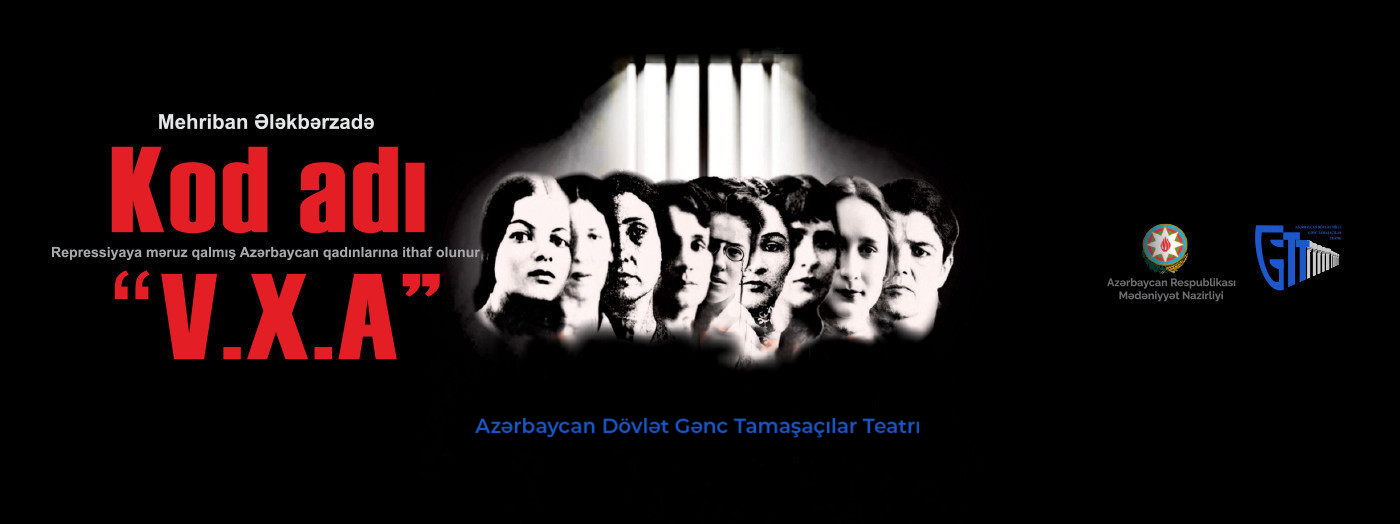
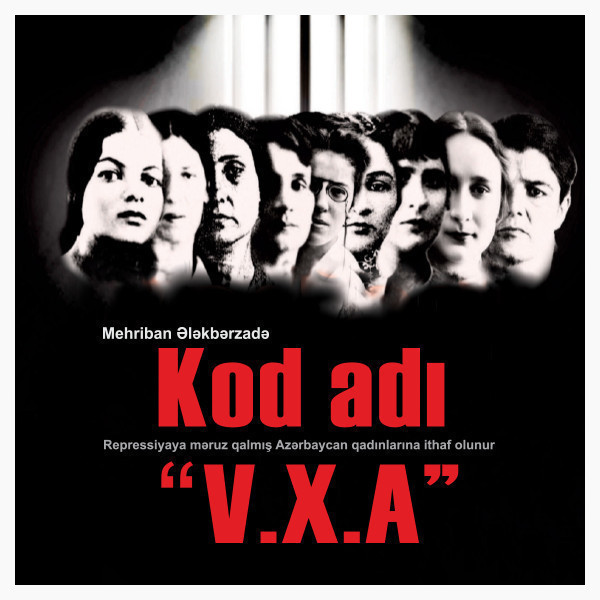
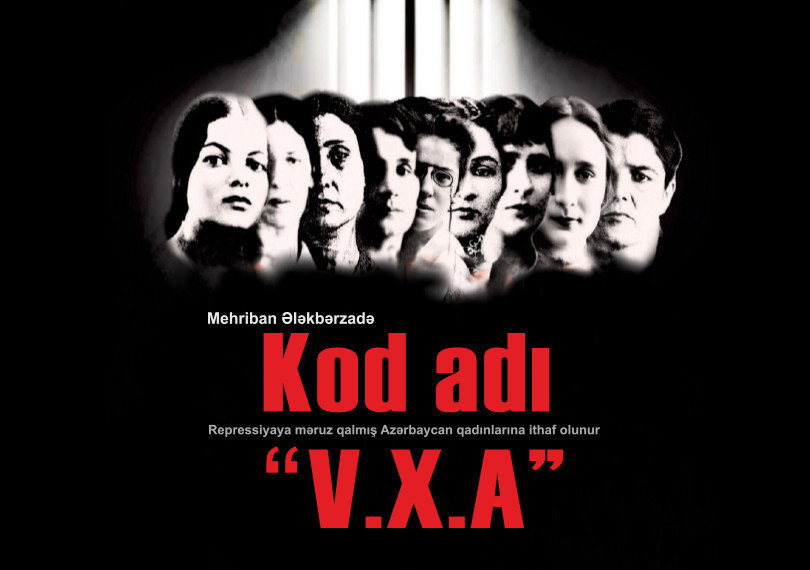
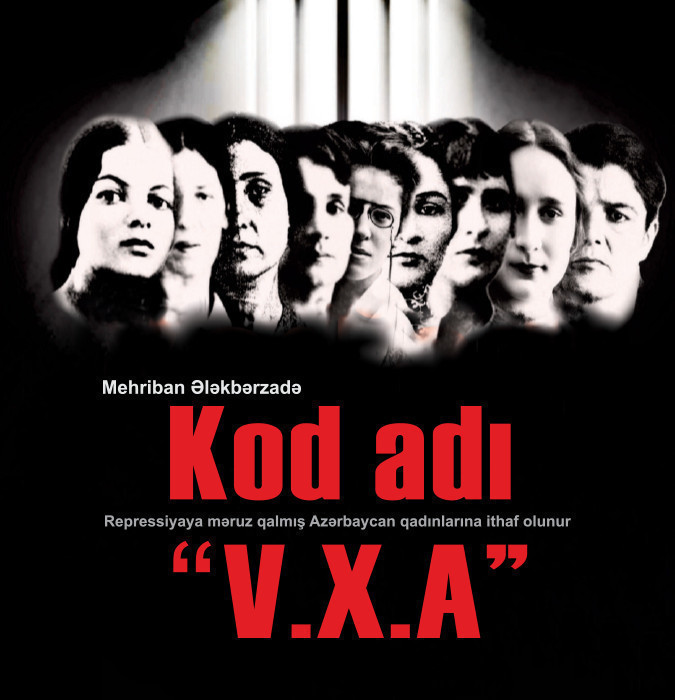
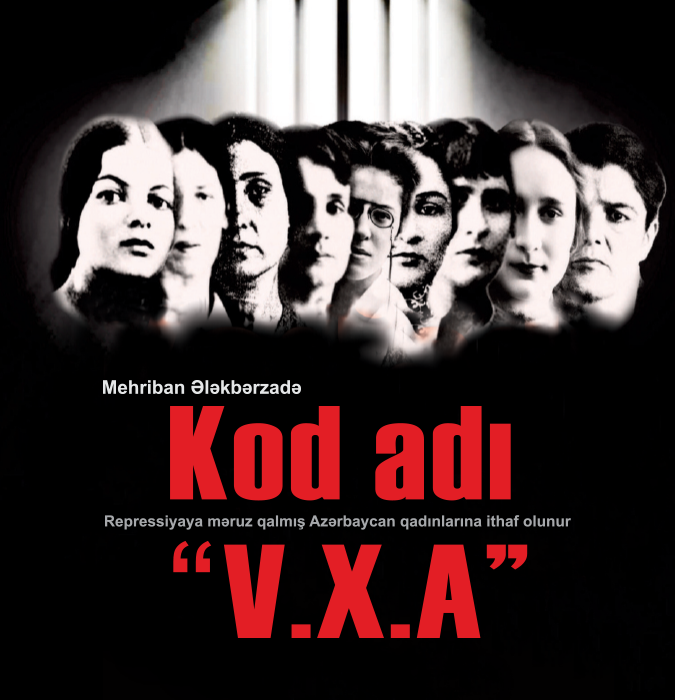
Mehriban Alekbarzada – “Code Name: VXA”
Age restriction: 18+
Author: Mehriban Alekbarzada
Director: Mehriban Alekbarzada (State Prize laureate, Honored Art Worker)
Main cast:
People’s Artist Yasin Qarayev, Honored Artists Kamala Muzzaffar, Shovgi Huseynov, Leyli Veliyeva, Shafaq Aliyeva, Nasiba Eldarova, Gamar Mammadova, Elnur Karimov, Ilham Asadov, Mehriban Abdullayeva, Gular Nabiyeva, Nofel Veliyev, actors Zemfira Abdulsamadova, Gunel Mammadova, Sabina Mammadzade, Aygun Fətullayeva, Asya Atakişiyeva, Khalida Alimammadova, Sevinc Aziz, Kerem Hadizade, Araz Pirimov, Ceyhun Mammadov, Anar Seyfullayev, Mirza Agha Mirzayev, Shabnam Huseynova, Konul Abil, Farida Qurbanova, Rashad Safarov, Elshan Shikhaliyev, Elshan Hacibabayev, Nurlan Suleymanli, Vugar Mammadaliyev
Genre: historical, documentary-fiction drama
Duration: single-act performance – 2 hours 20 minutes
State Prize laureate, Honored Art Worker Mehriban Alekbarzada, as both author and director, revisits one of the darkest pages of history with the play “Code Name: VXA”, dedicated to Azerbaijani women subjected to the 1930s repressions.
The play is dedicated to the 130th anniversary of the birth of Ahmad Javad, one of the victims of repression, a prominent representative of Azerbaijani literature, public figure, and educator, as well as to 26,000 women who endured imprisonment and exile, exemplified by Shukriyyah Akhundzade, who preserved her dignity despite repression.
In her interpretation, based on historical-documentary facts, Mehriban Alekbarzada recreates the terrifying atmosphere of the 1930s:
Bright figures of Azerbaijan are labeled “enemies of the people” and arrested along with their wives. Stalinist officials treat women in the Bayil detention center in inhumane conditions and subject them to severe torture. After long investigations, innocent women are sentenced to 8, 10, or 15 years. They are even grateful that the investigation has ended. Freed from torture, they look to the future with hope, believing they will reunite with their loved ones after serving their sentences.
They do not know what hell awaits them ahead. They are transported for days in cold wagons, hungry and thirsty, to Akmola. There, women are treated like animals and subjected to brutal labor. Among them are those who commit suicide under torture, and those who endure everything while preserving their honor. There is also one of 1,502 orphaned children among them, trying to learn who he is and where he comes from.
Although the play unfolds against the backdrop of tragedy, there remains hope for tomorrow: one day the suffering will end, and they will return home to their loved ones. Time passes, and the women are now free...
The author expresses the core idea through her characters:
“If any trace of us remains, if you remember us… it means we existed… we lived… without witnesses, without proof… they spent our lives and honor. We were at the bottom of life… even below that… The main thing is: remember us.”
This is, symbolically, a farewell debt to 37 women! In reality, there were 26,000… These women were invisible heroes of history. History is lived not only in loud wars but also in silent struggles. There are silent, delicate, yet very strong female participants in history. They justify not only physical but also moral victory.
The author and director, State Prize laureate Mehriban Alekbarzada, as both writer and director, wants to tell the audience: do not forget our history. Whoever forgets yesterday has no future.
Age restrictions / Language
 from 10 ₼
 from 15 ₼
 from 5 ₼
 from 5 ₼
 from 10 ₼
 from 10 ₼