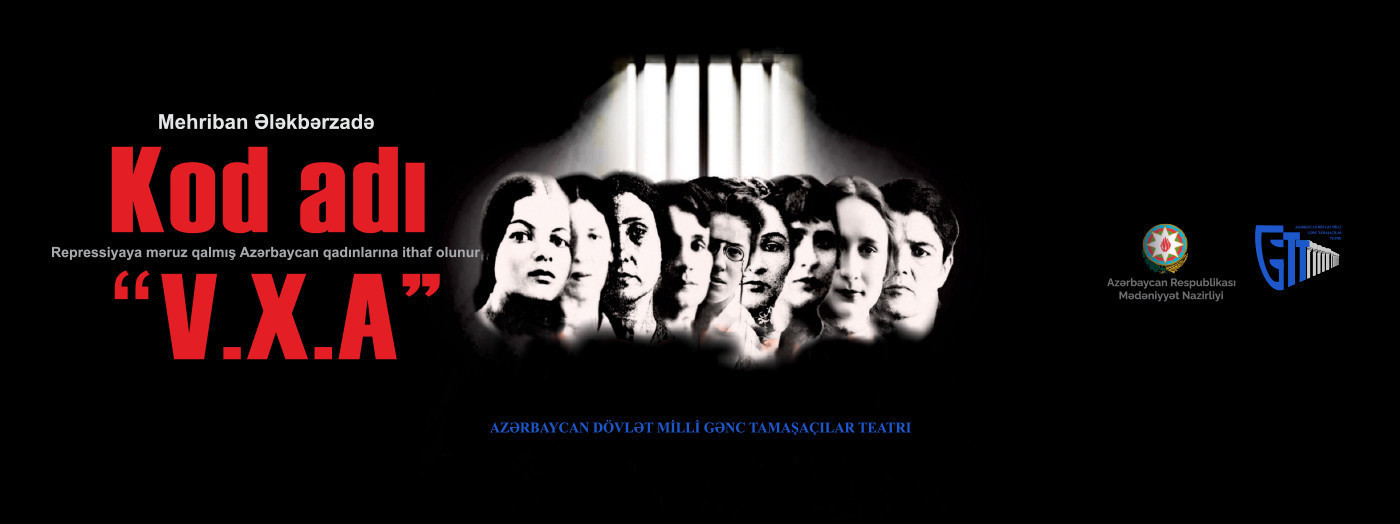
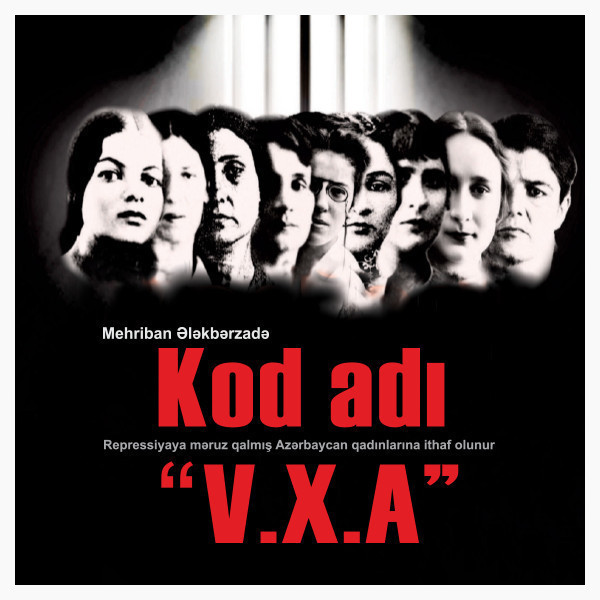
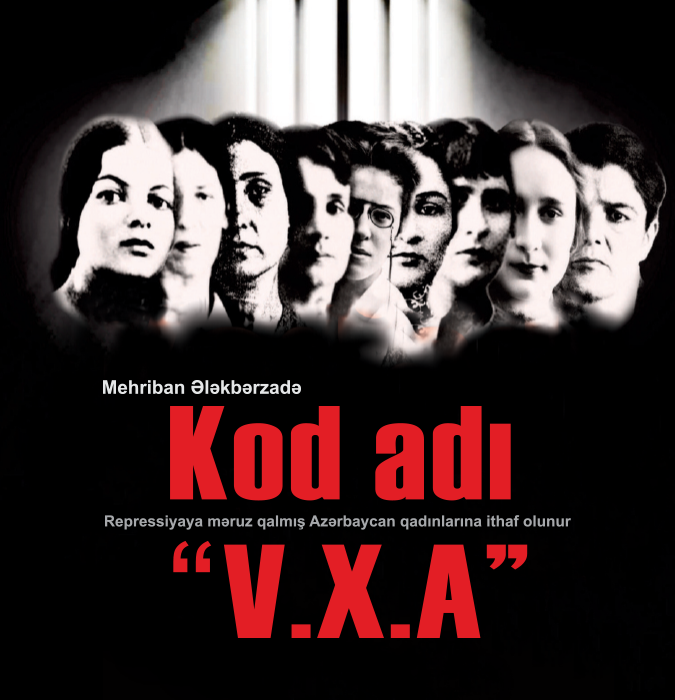
“Kod adı: V.X.A.”


About event
This event is available as QR tickets or as physical tickets sold at city box offices. QR tickets will be activated on the day of the event. To use your QR tickets, you need to log into your personal account in the iTicket.AZ mobile application.
More about QR tickets: QR ticket
Mehriban Alekberzade. “Code Name: ‘VXA’”
Age restriction: 18+
Author: Mehriban Alekberzade
Stage Director: Mehriban Alekberzade (Honored Art Worker)
Cast:
People’s Artist Yasin Garayev; Honored Artists Shafag Aliyeva, Kamala Muzaffar, Leyli Valiyeva, Nasiba Eldarova, Gular Nabiyeva; actresses Zemfira Abdusamedova, Gunel Mammadova, Sabina Mammadzade, Aygun Fatullayeva, Konul Abilova
Genre: Historical-documentary drama
Duration: One act — 2 hours 20 minutes
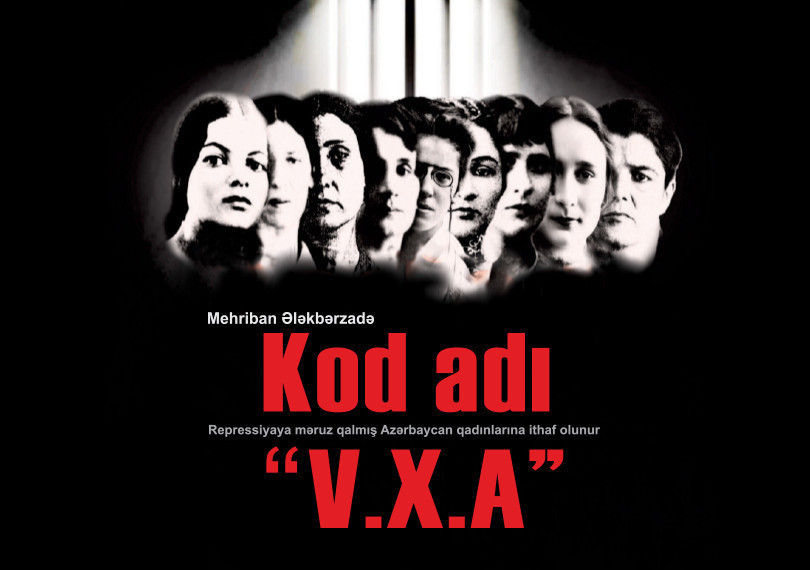
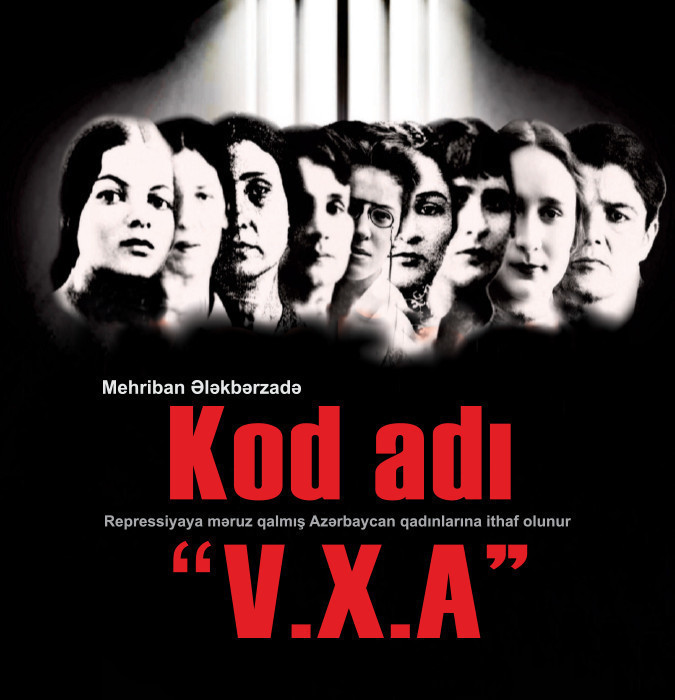
The play “Code Name: ‘VXA’”, written and directed by Honored Art Worker Mehriban Alekberzade, is dedicated to Azerbaijani women who were subjected to the repressions of the 1930s and opens one of the darkest pages of our history.
The production addresses documentary, artistic, and historical events dedicated to the 130th anniversary of the birth of one of the victims of repression — the outstanding Azerbaijani writer, public figure, and prominent educator Ahmad Javad. At the same time, through the image of Shukriyya Akhundzade, it tells the story of 26,000 women who endured harsh imprisonment and exile while preserving their dignity.
In “Code Name: ‘VXA’”, Mehriban Alekberzade relies on historical and documentary facts to recreate the terrifying reality of the 1930s:
enlightened Azerbaijani intellectuals are branded as “enemies of the people,” and both they and their wives are arrested. In the Bayil prison, Stalinist authorities subject women to inhuman treatment and brutal torture. After long investigations, innocent women receive sentences — some eight years, some ten, some fifteen. Grateful that the interrogation has finally ended, the women, exhausted by torture, look to the future with hope, believing that after serving their terms they will be reunited with their loved ones, unaware of the hellish suffering that awaits them.
They are transported for days in freezing railway cars, starving and thirsty, to Akmola. There, the women are treated like animals and forced to work under savage conditions. Among them are those who cannot endure the torture and take their own lives, and those who withstand every ordeal and preserve their honor. Among them is also one of the 1,502 abandoned children, striving to discover his identity, his lineage, and to prove that he was not born of sin.
Although the play unfolds against a backdrop of profound tragedy, it carries a hope for tomorrow: one day this suffering will end, and they will return home to reunite with their loved ones. No matter how difficult, time passes, and the women eventually regain their freedom.
Through the voices of her characters, the author expresses the core message of the play:
“If any trace of us remains, if you remember us… then it means we existed. We lived. Without witnesses, without proof… our lives and our honor were sacrificed. We were at the very bottom of life… even below that. The most important thing is to remember us.”
This is, symbolically, our farewell debt to 37 women. In reality, they were 26,000. These women were the invisible heroes of history. History is shaped not only by loud wars, but also by silent struggles. In these silent battles, there are subtle yet immensely powerful female participants. They prove not only physical victory, but moral and spiritual triumph as well.
As both author and director, Mehriban Alekberzade addresses a wide audience with a clear message: we must not forget our history. Those who forget their past have no future.
Age restrictions / Language
 from 5 ₼
 from 10 ₼
 from 5 ₼
 from 10 ₼
 from 10 ₼
 from 8 ₼